
How to Convert a Garage Into a Rental for House Hacking
Learn how to convert your garage into a rental unit for house hacking. Step-by-step tips, real stories, and how DSCR loans can help new investors get started.
Greg Lee
5/28/20266 min read
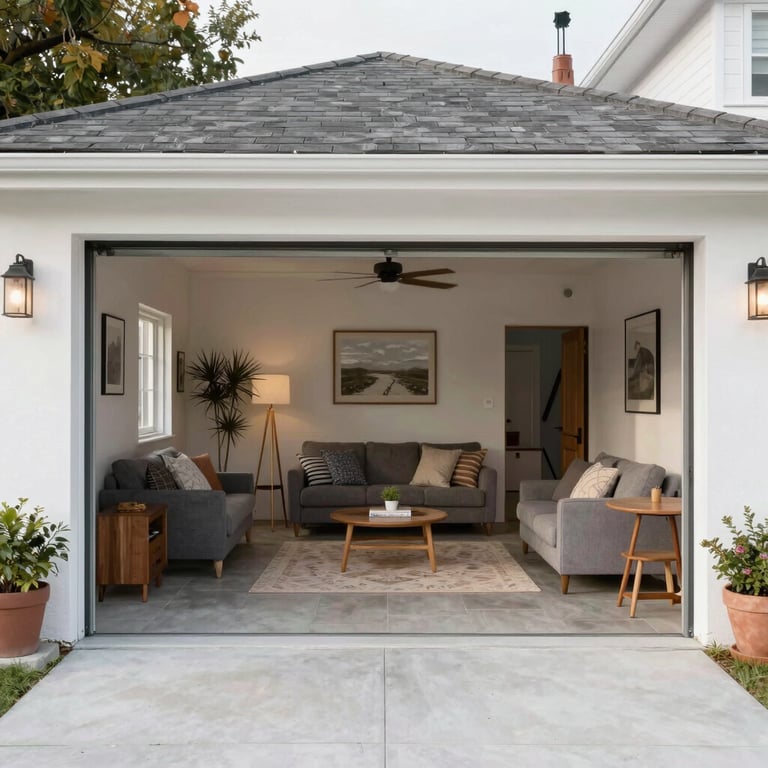
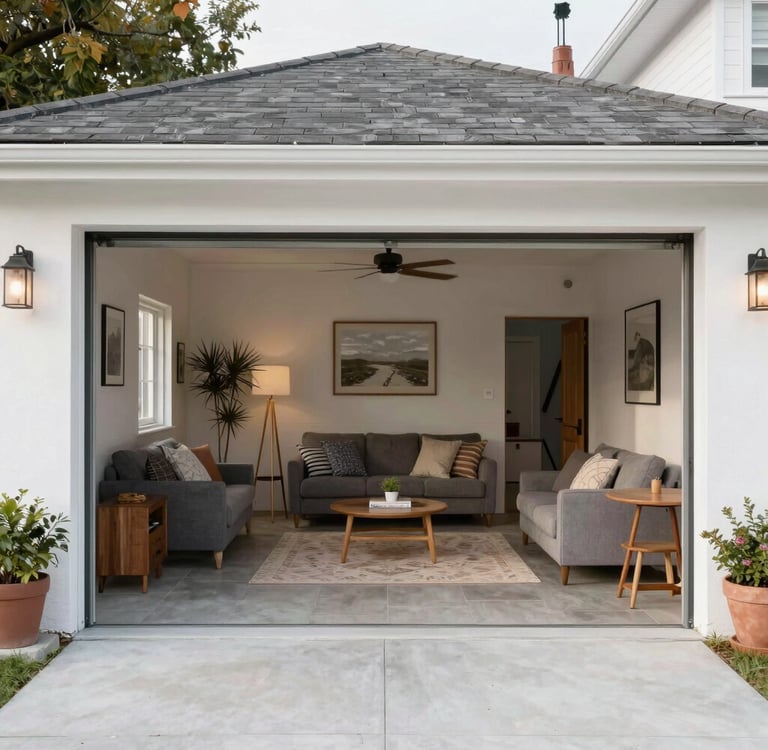
How to Convert a Garage Into a Rental for House Hacking
Meta Description: Learn how to convert your garage into a rental unit for house hacking. Step-by-step tips, real stories, and how DSCR loans can help new investors get started.
Introduction
What if the answer to your mortgage problem is sitting right in your driveway?
A garage conversion is one of the smartest moves in house hacking. You take a space you're barely using and turn it into a rental unit that pays you every month. It's not complicated. And it's more affordable than you might think.
House hacking means you buy a property, live in part of it, and rent out the rest. A converted garage fits that strategy perfectly. You stay in your home. A tenant moves into the garage unit. Their rent covers a big chunk — or all — of your mortgage.
If you're a new investor looking for a low-risk way to get started in real estate, this guide is for you. Let's walk through exactly how to make it happen.
Why a Garage Conversion Makes Sense for House Hacking
A garage is one of the easiest spaces to convert into a livable unit. The bones are already there. You have walls, a roof, and a concrete floor. You just need to add the right features to make it rentable.
Here's why this strategy works so well for house hacking:
Low cost compared to an addition. You're not building from scratch. You're upgrading what's already there.
Strong rental demand. Small studio units and garage apartments are in high demand in most cities.
Increases your home's value. An accessory dwelling unit (ADU) — that's the official name for a converted garage rental — adds real equity to your property.
Helps you qualify for financing. With a DSCR loan, the rental income from your garage unit can help you qualify, even if you don't have a traditional W-2 job.
A DSCR loan — short for Debt Service Coverage Ratio loan — looks at your property's rental income instead of your personal income. That makes it a great tool for new investors who are self-employed or just starting out.
Real Story: How Marcus Turned His Two-Car Garage Into $1,100/Month
Marcus was a 34-year-old teacher in Austin, Texas. He bought a home with a detached two-car garage. He never used it for his car. It mostly held old furniture and boxes of stuff he forgot he owned.
A friend told him about house hacking. Marcus started doing research and realized his garage could be converted into a studio apartment. He spent about $22,000 on the conversion — adding a bathroom, a small kitchen, drywall, insulation, and a mini-split HVAC unit.
Six months after buying the home, he had a tenant paying $1,100 a month. His mortgage was $1,650. His out-of-pocket housing cost dropped to $550 a month. He lives in a nice home in Austin for less than most people pay for a one-bedroom apartment.
Marcus used a DSCR loan to purchase the home. The lender counted the future rental income from the garage unit when qualifying him. That made a big difference. He wouldn't have qualified for a traditional mortgage on a teacher's salary alone.
What You Need to Convert a Garage Into a Rental
Before you start knocking down drywall, you need to understand what goes into a legal, rentable unit. Every city has different rules. But most conversions need the same basic things.
Here are the key items most garage conversions require:
Building permit. You almost always need a permit to convert a garage into a living space. Check with your local city or county office first.
Insulation. Garages are not insulated the way homes are. You'll need to insulate the walls, ceiling, and possibly the floor.
Heating and cooling. A mini-split system is the most popular option. It's efficient and doesn't require ductwork.
Electrical upgrades. Most garages don't have enough outlets or the right panel capacity. An electrician will likely need to upgrade the wiring.
Plumbing. If you want to add a bathroom or kitchen, you'll need a plumber. This is one of the bigger costs.
Egress (exits and windows). Safety codes require proper exits and windows that meet a minimum size for emergency escape.
Separate entrance. For privacy — and often required by law — your tenant needs their own door that doesn't go through your home.
Once you check those boxes, you have a legal rental unit. That protects you as a landlord and makes your house hack work the right way.
Real Story: How Priya Got Her First Investment Property Using a DSCR Loan
Priya was a 29-year-old freelance graphic designer in Phoenix. She made good money, but her income varied month to month. That made it hard to qualify for a traditional mortgage.
She found a home with an attached garage that had already been partially converted. The previous owner had added drywall and a window. Priya bought the home using a DSCR loan. The lender used the rental income potential of the garage unit — not her freelance income — to qualify her.
After closing, she spent $14,000 finishing the conversion. She added a bathroom, a compact kitchen, and new flooring. Within two months, she found a tenant through a local Facebook rental group.
The tenant now pays $950 a month. Priya's mortgage is $1,580. She only pays $630 out of pocket to live in her own home in Phoenix. She calls it "the best financial decision I ever made."
Priya says the hardest part was just getting started. Once she understood how house hacking worked, it clicked fast.
How to Finance a Garage Conversion
You have a few options to pay for your conversion.
Option 1: Use savings. If you have $15,000–$30,000 in cash, you can pay out of pocket. This keeps things simple.
Option 2: Home equity loan or HELOC. If you already own the home, you can borrow against the equity. A HELOC — Home Equity Line of Credit — lets you pull out cash as you need it.
Option 3: Roll it into your purchase. Some loan programs let you borrow extra at closing for renovations. Ask your lender about renovation loans.
Option 4: DSCR loan with rental income. If you're buying a property and plan to rent the garage unit, a DSCR loan can factor in that future rental income. This is a powerful tool for new investors who want to maximize their buying power.
The right choice depends on your situation. Talk to a lender who works with new investors and understands house hacking.
Tips to Maximize Your Garage Rental Income
Once your unit is built, you want to fill it fast and keep good tenants. Here are a few tips:
Price it right. Check what similar studio apartments or garage units rent for in your area. Price just below the average to rent quickly.
Keep it clean and simple. Neutral colors, clean floors, and good lighting go a long way.
Offer a separate entrance and parking. Tenants value privacy. A clear, separate entry makes your unit more attractive.
Screen your tenants carefully. Run a background check and credit check. Ask for references. A good tenant makes house hacking stress-free.
Put everything in writing. Use a proper lease agreement. This protects both you and your tenant.
Frequently Asked Questions
Q: Do I need a permit to convert my garage into a rental?
A: Yes, in most cities you do. Skipping a permit can lead to fines or make your unit illegal to rent. Always check with your local building department first.
Q: How much does a garage conversion cost?
A: Most conversions run between $15,000 and $35,000, depending on size and what you add. A basic studio with a bathroom and small kitchen is usually on the lower end.
Q: Can I use a DSCR loan to buy a home and convert the garage?
A: Yes. DSCR loans are a great fit for house hackers. The lender uses the rental income from your unit — not your personal income — to qualify you. This is especially helpful for self-employed buyers or new investors.
Q: How long does a garage conversion take?
A: Most conversions take 4–12 weeks, depending on the scope of work and how fast permits are approved. Plan for delays — construction almost always runs a little longer than expected.
Concluding Thoughts
Converting a garage into a rental is one of the smartest ways to start house hacking. You use what you already have, lower your housing costs, and build wealth at the same time.
You don't need to be a contractor. You don't need a huge budget. You just need a plan and the right financing.
If you're a new investor, a DSCR loan can make this even easier. It helps you qualify based on rental income, not just your paycheck. That opens the door for more people to get into real estate — including you.
Ready to take the next step? Visit www.dscrhousehacking.com to learn more about house hacking strategies, DSCR loans, and how to start building wealth through real estate — even if you're just getting started.
Posted on www.dscrhousehacking.com